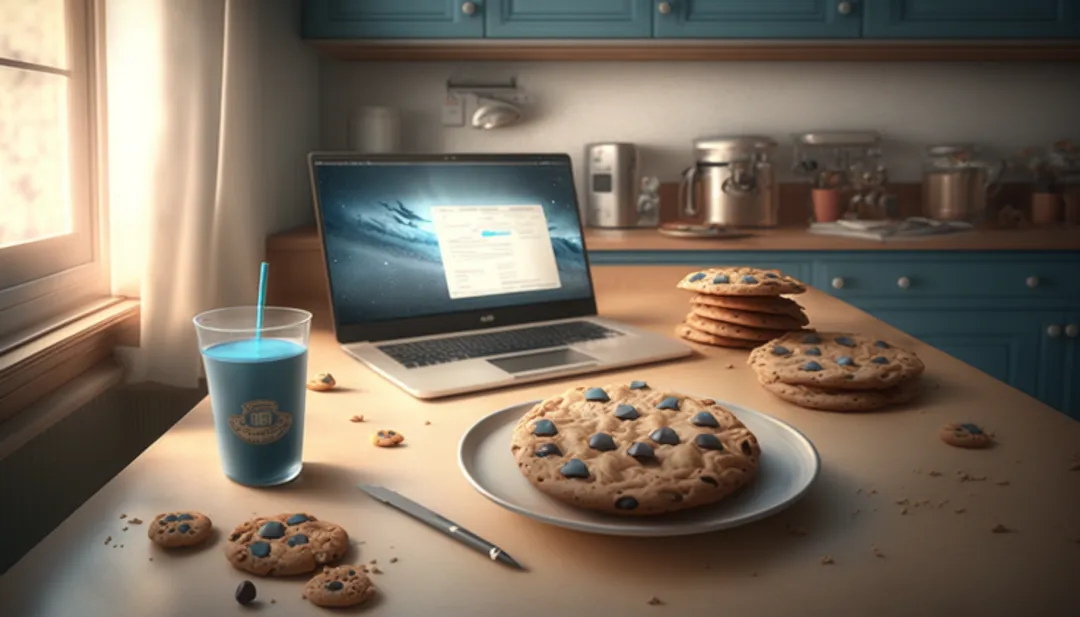
Continuous Cleaning in Software Engineering: Making Code as Spotless as Your Grandma’s Kitchen!
The Art of Continuous Cleaning
In software engineering, clean code refers to code that is easy to read, maintain, and understand. Just like your grandma’s kitchen, a clean codebase is a sight to behold and a joy to work in.
In recent years, the importance of keeping code clean has been emphasized through the practice of continuous cleaning. This approach maintains code quality by performing regular cleaning tasks throughout the entire software development lifecycle.
Why is Continuous Cleaning Important?
One of the primary reasons for continuous cleaning is to ensure that code remains maintainable over time.
- Preventing Technical Debt: As software projects grow, the codebase becomes larger and more complex. Code that is not kept clean quickly becomes a liability.
- Efficiency: Clean code leads to faster development and fewer errors. It’s like finding your way around a tidy kitchen—you know where everything is!
- Higher Quality: Clean code is less likely to contain bugs, making it easier to test and deploy.
🍳 Kitchen Analogy: Leaving code uncleaned is like leaving dirty dishes in the sink for days—it just gets harder to clean the longer you wait!
What is Involved in Continuous Cleaning?
Continuous cleaning involves a specific set of practices and tools used to maintain code quality:
1. Code Reviews
This involves having other developers review your code. This identifies areas for improvement and ensures a consistent style.
- Grandma says: It’s like having her taste your cooking—she always knows how to make it better!
2. Refactoring
The process of restructuring existing code to improve quality without changing its external behavior.
- Grandma says: It’s like rearranging the cabinets—everything just works better.
3. Automated Testing
Helps ensure that code changes do not break existing functionality.
- Grandma says: It’s like checking the oven temperature before you start baking.
4. Continuous Integration and Deployment (CI/CD)
Ensures code is integrated and deployed frequently. This catches and fixes problems early in the process.
- Grandma says: It’s like making sure all the ingredients are ready before you start the recipe.
| Practice | Key Benefit |
|---|---|
| Reviews | Knowledge sharing & consistency |
| Refactoring | Reduced complexity |
| Testing | Stability & confidence |
| CI/CD | Faster feedback loops |
Conclusion
Continuous cleaning is a critical aspect of software engineering. By regularly performing cleaning tasks, developers ensure their code remains maintainable, readable, and high-quality over time.
So, let’s make it CLEAN!